
Shutting Down: Conflict Avoidance
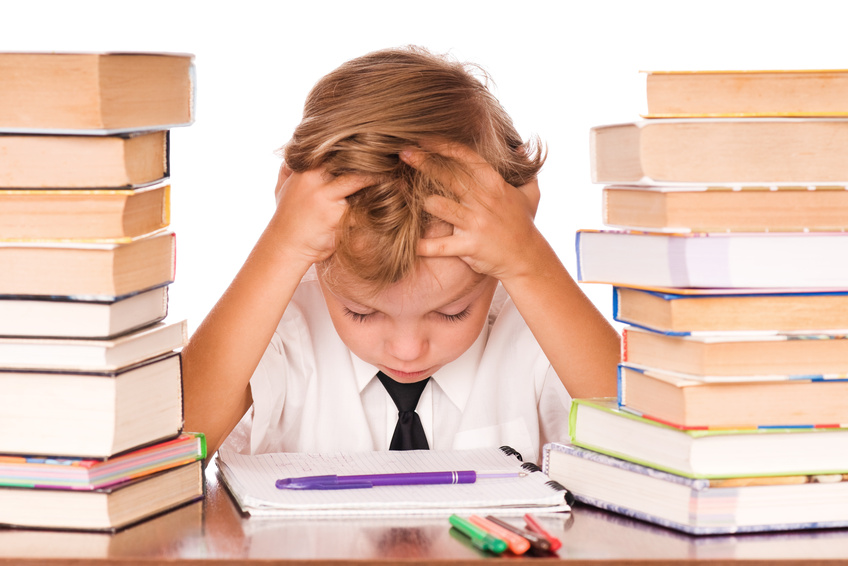
BERKELEY HEIGHTS, NJ: “I don’t even know where to begin!” I’m sure many parents or teachers have heard their struggling student exclaim. You are not alone and neither is your favorite student, but that doesn’t change the fact that both of you feel alone. What’s worse, is your child or student has just shut down.
In my 20 years of teaching kids and adults of all ages, I have found that a few key concepts underlie this inability to move forward with a given task. Below you will find some of my thoughts on the subject as well as a few questions and suggestions that can be very helpful.
For me, there are two words in particular that really pack a punch: trust and safety. If a child doesn’t feel like they can trust you or their classmates, then they will not feel safe. When a person doesn’t feel safe, then they aren’t focused on learning. This sense of ‘safety’ comes from internal and external stimuli.
An example of an internal concern for one’s safety may sound like, ‘I’m worried that people will see me as dumb, uncoordinated, etc.’ An example of an external concern for one’s safety may sound like, ‘The last time I raised my hand everyone groaned or laughed at me, or the teacher got mad at me for not understanding the lesson.’
How does anyone learn when they are fearful? They don’t, so they hide or avoid the conflict of trying altogether. This is where a good teacher and parent can really nip this issue in the bud.
Sit down with your struggling student and ask the questions listed below. Make sure you do not guide them toward answers as most people are pleasers and will snatch the answer they think the questioner favors.
- Do you feel safe in your learning environment? Listen for clues like hesitation in their answer, downward cast eyes of shame, fidgeting and shifting, but keep a poker face so you can ask the question again without judgement.
- Do you feel uncomfortable asking questions? If yes, then why?
- Do you know what questions to ask if you are struggling?
- Do you know that I will not be mad at you for struggling or having questions? Do you feel like your teacher or class will be mad at you for struggling or having questions?
Any answer to these questions should not be labeled as bad/good, but rather information to help build a solution. Oftentimes a student feels (there’s that word again) that they cannot ask questions, but it’s usually not because a teacher will not help them. Typically, it is the internal concern that they will not fit in if they raise their hand due to being confused or unfocused. In short, they lack confidence.
A lack of confidence is probably the biggest cause of conflict in our lives. If we are not confident in sharing our concerns, the concern does not go away. Hiding is not the answer, but if someone lacks confidence, then they are likely going to try and run and/or hide from their problems.
We do what we’re good at, so if a child is doing great in math, then they’ll always have their math homework done or at least successfully bring it home. However, if they are horrible at math, then you’ll find that they hardly ever get math homework, because they don’t bring it home or hide it from you until it’s too late.
Again, this is where good teacher/parent intervention is key. If we want people to be successful in life, we need to encourage them to be their own first responder…in every aspect of life. Having trouble tying your belt in karate class? Have the confidence to know yourself and ask for help. Having trouble in school? Ditto. Having trouble preparing for the holidays? Have the confidence to know yourself and ask for help. It’s what friends and family are for.