
Don’t Scare Your Children, Prepare Your Children
Teaching children about safety doesn't have to frighten them. Games, observation and age-appropriate challenges can build awareness, confidence and problem-solving skills.
BERKELEY HEIGHTS, NJ: In my previous column, I expressed my concerns about a 5-year-old girl who had to sign a contract promising that she would not commit suicide or homicide.
As a martial arts teacher who has taught this age group for decades, I'd like to share my opinion on how we can prepare young children for conflict in a healthy, age-appropriate way.
A great driver of conflict, in my opinion, is fear.
In teaching martial arts, my aim is not to scare you and leave you in fear. My aim is to remove fear by sharing knowledge.
Help Children Understand Their Fears
Fear is often a reaction to the unknown.
It starts with the monster under the bed, moves into the “will I have enough money for ramen noodles tonight?” years and eventually into the imaginary bogeymen that we adults create to motivate ourselves from time to time.
Children are already filled with their own fears of the unknown, so why add complicated adult fears when we can help them understand the fears they already have?
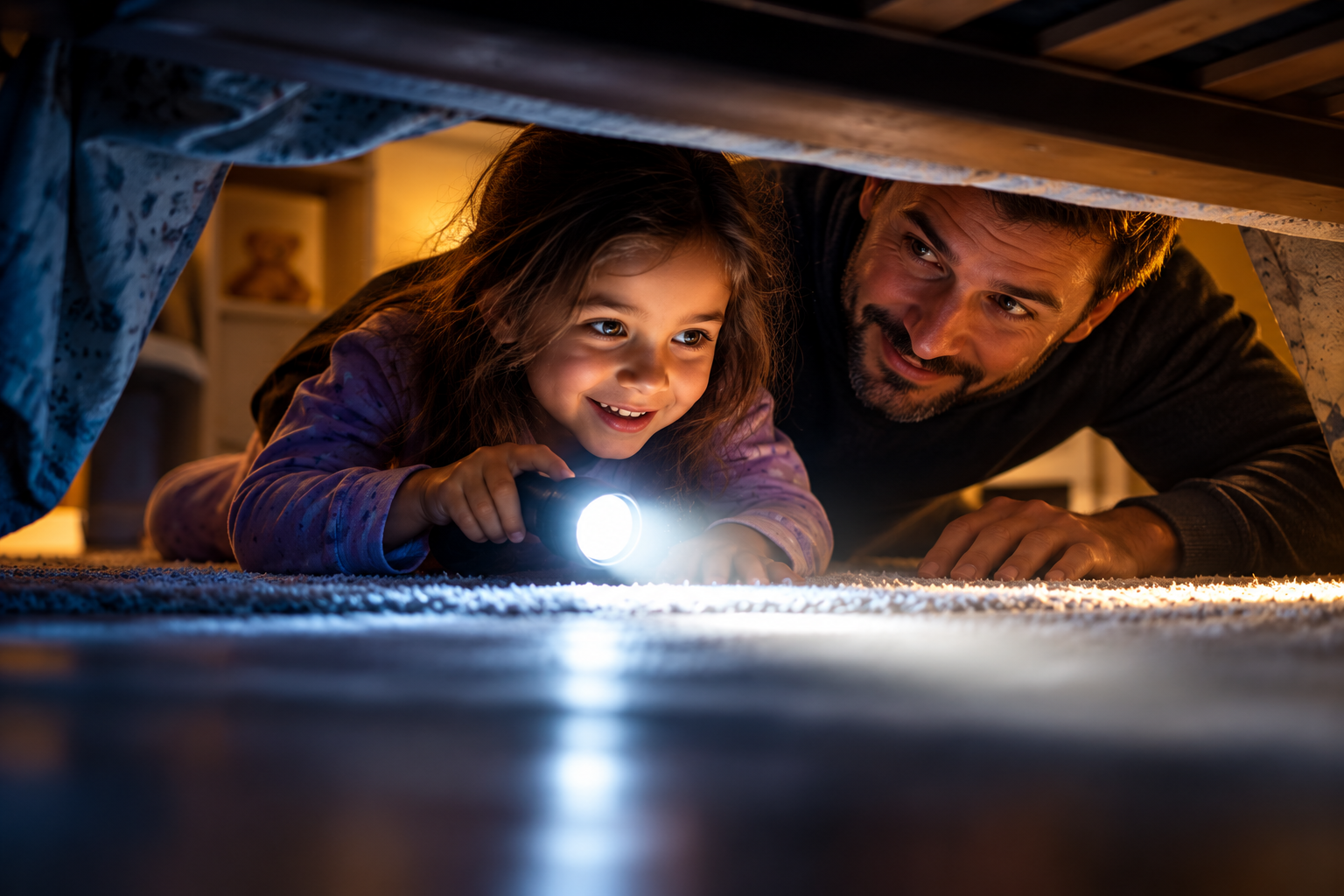
Show them what's under the bed during the day.
Or show it to them at night, holding their hand with a flashlight for both of you.
Better yet, give them the flashlight.
Giving your children an opportunity to face their fears with guidance and a little bit of their own control can go a long way toward building confidence.
More importantly, they'll learn a technique that can last a lifetime:
Light extinguishes darkness, and knowledge extinguishes fear.
Teach Awareness Through Play
Preparing children doesn't have to mean frightening them with everything that could possibly go wrong.
Sometimes it can simply mean playing.
Tag and hide-and-seek are great games that encourage awareness, reflexes, ducking, dodging and imagination. Children discover how to move, react, make decisions and use their smaller size to their advantage.
They also learn when to be quiet, how to find good places to hide and even a little bit about how an adult thinks while trying to find them.
To a child, it's a game.
But they're also learning to observe, adapt and problem-solve.
Let Children Practice Solving Problems
You can make a fun “monster” game where one person plays the monster while everyone else has to hide, escape or work together to solve the problem.
Exchange roles so everyone gets to experience both sides.
Let the kids come up with solutions.
Where would you hide?
How would you get away?
How could you help someone else?
What would you do if your first idea didn't work?
It's important for children to experience both success and failure through play. They can practice being surprised, changing plans and trying again without introducing the fear and consequences of an actual dangerous situation.
That's one of the wonderful things about play.
The problem isn't real.
The thinking is.
Build Situational Awareness Without Creating Fear
When you're out together, play observational games that encourage children to notice the world around them.
Ask questions such as:
Where are the exits?
Where would you go if you lost sight of Mom or Dad?
Who here is wearing a hat? Glasses? A scarf?
What color shirt is the person behind us wearing?
Where could you find someone who works here?
You aren't telling your child that something terrible is about to happen.
You're teaching them to look around.
Over time, observation becomes awareness, and awareness is one of the most important parts of self-defense.
Preparation Should Build Confidence, Not Fear
If your child becomes fearful, take your time.
Creatively encourage them to face their fears, but don't push them.
The goal isn't to convince children that the world is dangerous. It's to give them enough knowledge, awareness and confidence that they don't have to be afraid of everything they don't understand.
We can teach children about awareness, problem-solving and personal safety without introducing them to adult fears before they're ready for them.
Prepare them without scaring them.
Give them opportunities to look, think, decide and act.
And as a side effect, they may become a little more engaged in the world around them instead of just the world between their thumbs.