
Four-Letter Words: How Do I Help My Child Take Ownership?
Taking ownership means accepting responsibility for our choices, habits and mistakes. That accountability is what gives children the opportunity to change, grow and become more independent.
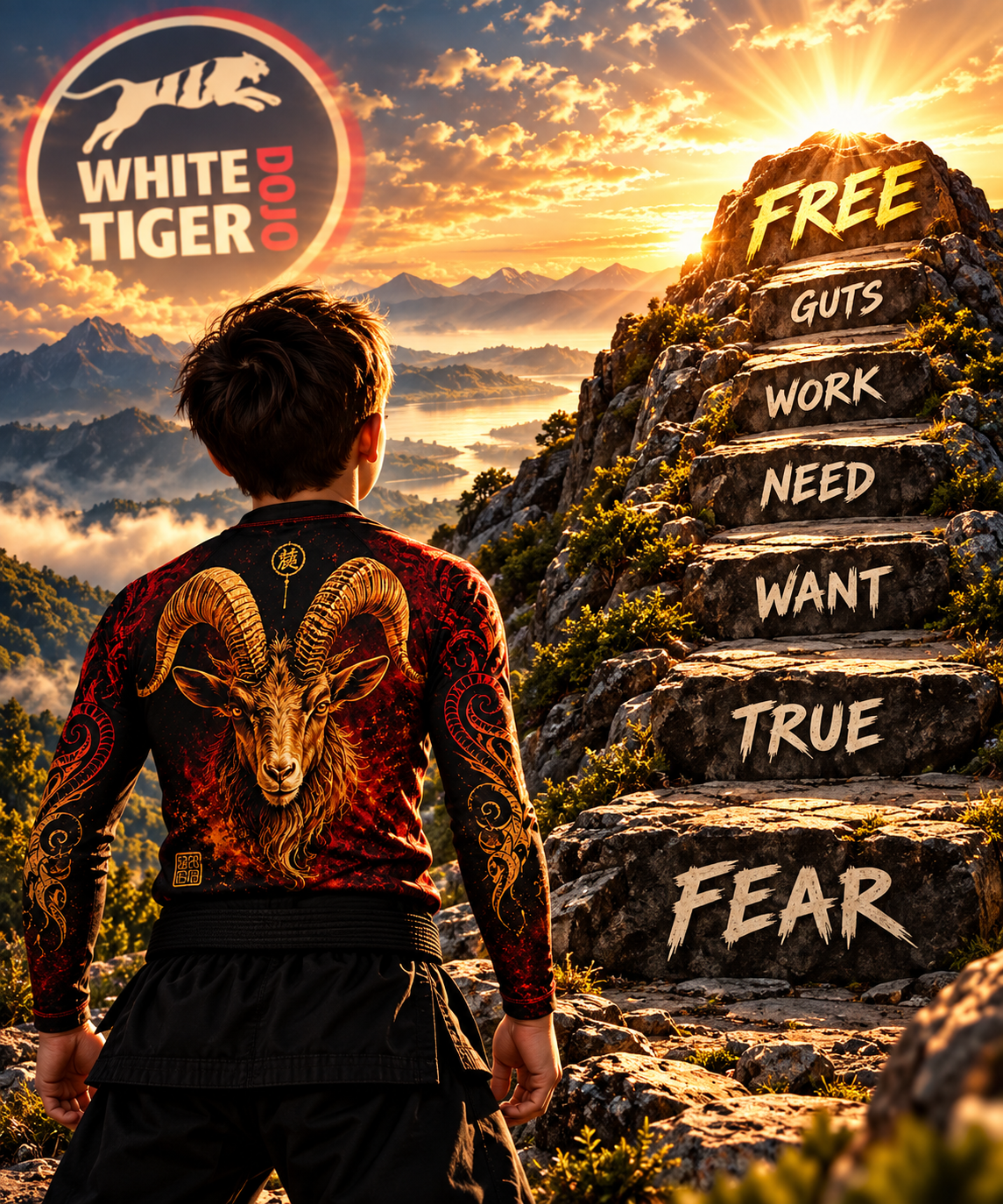
(The 3rd of a Series)
BERKELEY HEIGHTS, NJ: Previously, I asked the question, “Who owns you?”
After all, if I'm not in control of my own thoughts and actions, then who is?
Once I've established that I need to own up to the decisions I've made and the actions I've taken, the next question becomes:
“How do I get control of myself?”
These are the types of questions and answers we delve into at White Tiger Dojo.
Self-Control Begins With Understanding Your Habits
In Japanese, the word dojo means “way place.”
In other words, it's a place where you study a way of being.
And a way of being starts with one's habits.
Understanding how good habits are created and how to remove and replace bad ones are two of the most important lessons any house of learning can engage in.
However, one of the hardest parts about creating good habits is discovering that what I find to be “true” is often shaped by what I fear.
Sometimes the Truth Isn't the Answer We Want
Truth is something that is in accordance with reality.
And reality can be frightening.
One of the habits I've developed over time is to be open with myself so I can compare what I believe to reality.
When I'm genuinely open with myself, I find that the answers I'm looking for aren't nearly as elusive as my mind would like them to be.
Finding the truth requires me to uncover my own biases and habits so I can find the answer I need, rather than simply accepting the answer I want.
The answers I want are often easier because they reinforce what I already believe or what my existing habits make comfortable.
That's the epitome of being intellectually lazy.
What We Need Often Requires More Work Than What We Want
What I want often takes precedence over what I need precisely because a want can be intellectually lazy.
I need to stay healthy and financially solvent.
But I want to be lazy and independently wealthy.
There's the rub.
Staying healthy takes work.
Going to a job and earning a living takes work.
It also takes guts to do the work, and it takes guts to work through the fear of failure.
Hard work is the true path of the independent person.
Personal Responsibility Requires Intellectual Honesty
Owning who I am takes continual effort, especially when I'm owning up to the dumb things I've done and will undoubtedly do again.
At first, that kind of honesty can feel daunting, uncomfortable and even inconvenient.
Eventually, it can become routine maintenance.
Like brushing my teeth.
I don't particularly enjoy discovering that I'm wrong.
But if I'm unwilling to admit when I'm wrong, then I'm no longer looking for the truth.
I'm looking for validation.
And those are two very different things.
Accountability Creates the Opportunity for Change
In the end, owning up to both the good and bad parts of myself is what allows for positive change and self-acceptance.
I take greater care in my decision-making when I hold myself accountable for the joy and suffering I bring upon myself and those around me.
I'm not perfect, nor will I ever be.
But making the conscious choice to become the **best version of myself** is the only way I know to honor those who showed me the path toward becoming free.