
Thoughts are People Too
Children need boundaries with other people, but they also need to understand the thoughts inside their own heads. Self-awareness can help them decide which thoughts deserve attention and which should not control their choices.
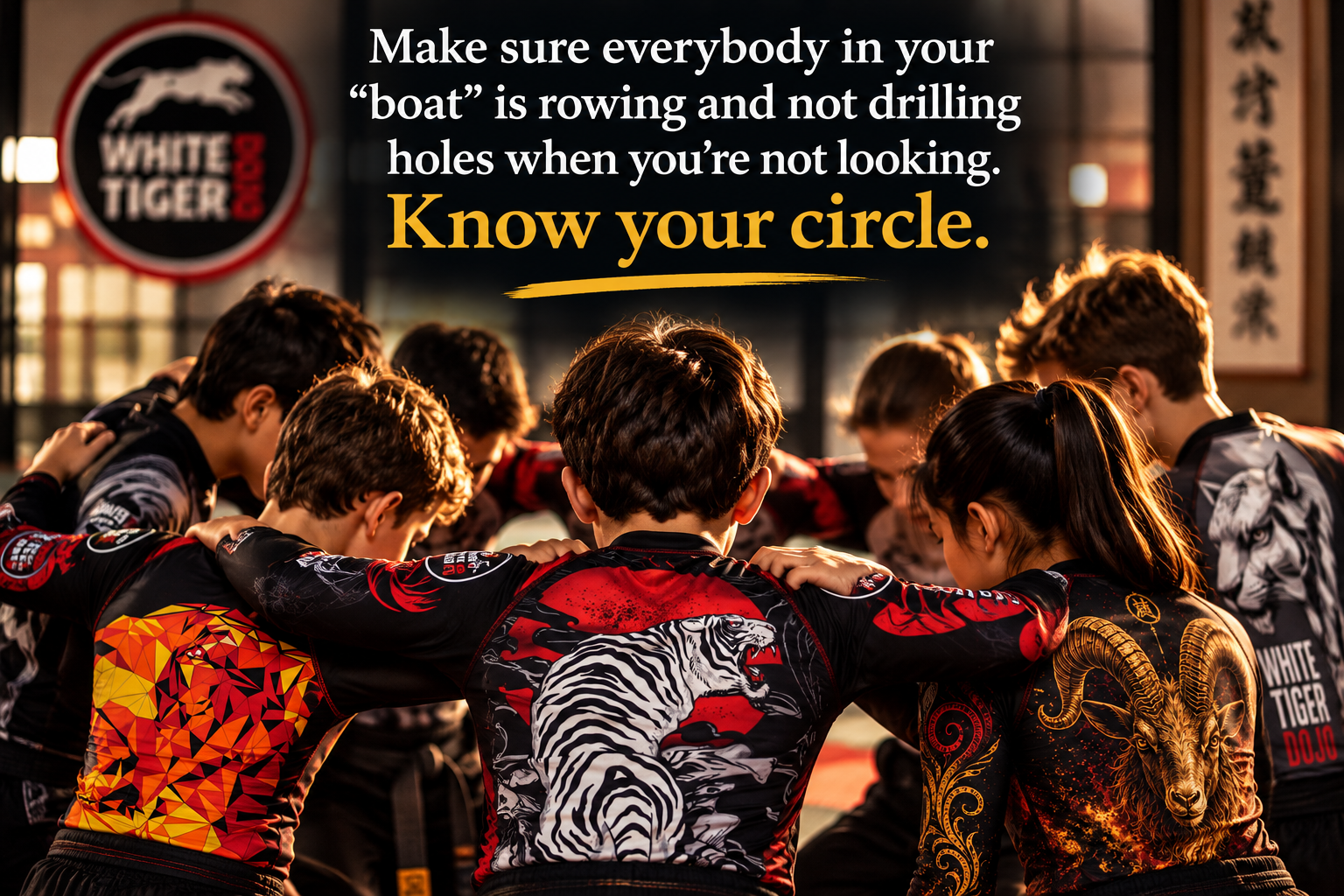
BERKELEY HEIGHTS, NJ: One of the toughest things about growing up is figuring out where you end and the outside world begins.
And vice versa.
It's difficult enough to manage an ever-expanding social landscape.
Friends.
Family.
Teachers.
Coworkers.
Social media.
Strangers.
Everyone seems to have an opinion about who we are, what we should do and where we fit.
But there's another landscape that's just as difficult to manage:
The one inside our own heads.
We need to establish boundaries with other people.
But sometimes we also need to establish boundaries with our own thoughts.
Healthy Boundaries Help Children Develop a Stronger Sense of Identity
Boundaries help clarify and solidify our identity.
Establishing healthy boundaries with other people gives us enough room to consider our own thoughts, values and goals.
What do I believe?
What matters to me?
What do I want?
What am I responsible for?
What am I willing to accept?
Where do I draw the line?
Those questions become increasingly important as children grow older and their world becomes larger.
Because developing independence doesn't mean ignoring everyone else's advice.
Quite the opposite.
A strong sense of self makes it easier to decide when someone else's advice is worth following.
Not Every Thought Deserves the Same Amount of Attention
Just as another person can intrude upon our space, our own thoughts can sometimes occupy more space than they deserve.
We worry.
We replay conversations.
We imagine outcomes that haven't happened.
We criticize ourselves.
We become angry.
We assume.
We second-guess.
Some of those thoughts contain useful information.
Others don't.
The goal isn't to eliminate every unpleasant thought.
That's probably neither possible nor desirable.
Sometimes an uncomfortable thought is trying to tell us something important.
The better question is:
Does this thought deserve my attention, and what should I do with it?
Children Can Learn to Evaluate Their Own Thoughts
This is another form of self-awareness.
A child thinks:
"I'm terrible at this."
Is that true?
Or did they simply have a bad day?
"Nobody likes me."
Nobody?
Or did one person say something hurtful?
"I'm going to fail."
Maybe.
But what evidence do we actually have?
And if failure is possible, what can we do to prepare?
Thoughts can feel convincing simply because they're ours.
That doesn't automatically make them accurate.
Learning to examine our own thinking gives us another option besides immediately believing everything that passes through our minds.
Boundaries Should Be Firm Enough to Protect Us and Flexible Enough to Change
I've never thought healthy boundaries should necessarily be permanent walls.
People change.
Circumstances change.
We change.
What was once appropriate may eventually need to be reconsidered.
That's true of our thoughts too.
A belief that helped us understand something when we were younger may need to evolve as we gain experience.
An assumption about another person may turn out to be wrong.
Something we once feared may no longer deserve the same amount of space in our lives.
That's why I prefer boundaries that are firm enough to protect us but flexible enough to move when new information gives us a good reason.
Burn every bridge and eventually there's nowhere left to cross.
Anger Can Make Our Inner Boundaries Harder to See
Kindness can be useful here too.
Not simply kindness toward other people, but some patience with ourselves.
Anger has a tendency to make everything feel immediate.
One thought collides with another.
We replay the argument.
Invent the next argument.
Win that argument.
Lose another imaginary argument.
Then start the whole thing again.
Before long, we've created an all-out civil war inside our own heads.
And nobody wins.
A little distance can help.
What happened?
What am I feeling?
What am I assuming?
What part of this can I control?
What actually requires a response?
Awareness gives us enough space to decide which thoughts require action and which can simply pass through.
Technology Makes Mental Boundaries Even More Important
This has become increasingly difficult in a world where the outside world can follow us almost everywhere.
A disagreement doesn't necessarily end when we leave school.
A coworker doesn't completely disappear when we leave work.
Other people's opinions arrive through texts, social media, notifications and whatever happens to be waiting on the screen in our pocket.
Physical distance no longer guarantees mental distance.
That's why boundaries aren't simply about keeping other people physically away from us.
Sometimes a boundary is:
Putting the phone down.
Not responding immediately.
Walking away from an argument.
Deciding that someone else's opinion doesn't require our rebuttal.
Giving ourselves enough quiet to hear our own thoughts again.
Learning to Manage Our Thoughts Is Part of Self-Control
Taking some quiet time during the day to examine our own thoughts can be just as valuable as learning to establish boundaries with the people around us.
Not because every thought needs to be controlled.
And certainly not because every uncomfortable thought should be pushed away.
But because we can experience a thought without automatically allowing it to make our decisions for us.
That's an important form of self-control.
The earlier children learn to recognize their own boundaries, thoughts and reactions, the more opportunities they have to maintain and renovate them as they grow.
Some boundaries will move.
Some thoughts will change.
Some people will surprise us.
And hopefully we'll occasionally surprise ourselves.
After all:
Thoughts are people too.